
Weddings have always been a reflection of culture, emotion, and personal identity. But in recent years, the idea of how a wedding should look and feel has changed dramatically. Couples today are moving beyond strict traditions and embracing more personalized and expressive celebrations. This shift has given rise to modern wedding themes that focus on creativity, individuality, and experience rather than rigid customs.
Traditional weddings were once defined by cultural rituals, structured ceremonies, and standardized decor choices. While these elements still hold emotional and cultural value, modern weddings are increasingly shaped by lifestyle, aesthetics, and personal storytelling. Couples now want their wedding day to feel like a reflection of who they are rather than a fixed formula.
Understanding the difference between modern wedding themes and traditional styles helps couples make informed decisions about their big day. It is not about choosing one over the other but about finding the right balance between heritage and contemporary expression.
Understanding Traditional Wedding Styles
Traditional wedding styles are deeply rooted in cultural, religious, and family customs. These weddings often follow established rituals that have been passed down through generations. Every element, from attire to ceremony structure, carries symbolic meaning.
In many traditional weddings, the focus is on formality and structure. Ceremonies follow a fixed sequence, and deviations are often minimal. The bride and groom typically wear culturally significant outfits that represent heritage and identity.
Decorations in traditional weddings are often rich, elaborate, and symbolic. Colors, flowers, and arrangements are chosen based on cultural meaning rather than personal creativity alone.
Another defining feature is the strong involvement of family. Traditional weddings are often seen as a union of families rather than just individuals. This influences decisions about guest lists, rituals, and even venue selection.
Music, food, and ceremonies are also deeply traditional. They reflect cultural values and are meant to preserve long-standing customs.
What Makes Modern Wedding Themes Different
Modern wedding themes are built around personalization and creativity. Instead of following strict rules, couples design their weddings based on their personality, preferences, and shared story.
One of the biggest differences is flexibility. Modern weddings do not follow a fixed structure. Couples often customize every detail, from ceremony format to reception style.
Another key feature is simplicity blended with elegance. Many modern weddings focus on minimalism, clean designs, and intentional details rather than heavy decoration.
Modern wedding themes also embrace diversity. Couples often combine different cultural elements, styles, or even unconventional ideas to create a unique experience.
Technology also plays a major role. Digital invitations, social media sharing, live streaming, and photo booths are now common features in modern celebrations.
The Role of Personalization in Modern Weddings
Personalization is at the heart of modern wedding themes. Couples want their wedding to tell their story rather than follow a predefined script.
This personalization appears in many ways, such as custom vows, unique venue choices, and tailored decor themes. Even small details like table settings or wedding favors are often designed to reflect personal meaning.
Unlike traditional weddings, where choices are influenced by cultural expectations, modern weddings prioritize individuality. Every element is carefully chosen to represent the couple’s journey.
This shift has made weddings more emotionally expressive and visually diverse. No two modern weddings look exactly the same, which adds to their appeal.
How Design Aesthetics Have Evolved
Design is one of the most noticeable differences between modern and traditional weddings. Traditional weddings often feature rich colors, elaborate patterns, and symbolic decorations.
Modern wedding themes, on the other hand, lean toward simplicity and visual storytelling. Neutral color palettes, natural lighting, and minimal decor are widely used.
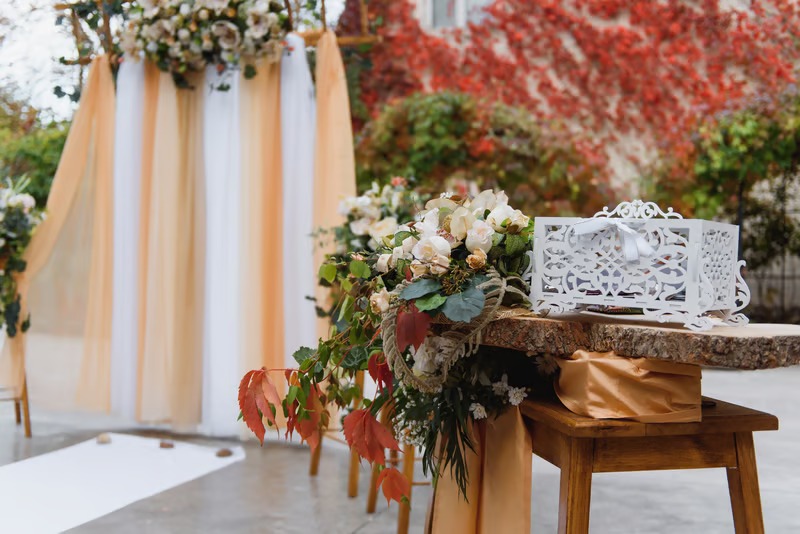
Floral arrangements have also evolved. Instead of dense floral setups, modern weddings often use loose, organic arrangements that feel natural and elegant.
Lighting design plays a major role in modern weddings. Soft lighting, candles, and ambient effects are used to create mood and atmosphere.
Overall, modern aesthetics focus more on experience and emotion rather than visual excess.
Venue Choices: Tradition vs Modern Freedom
Venue selection is another area where modern wedding themes differ significantly from traditional styles.
Traditional weddings are often held in religious places, banquet halls, or family-owned venues. These spaces are chosen based on cultural and logistical convenience.
Modern weddings offer much more flexibility. Couples choose destination weddings, outdoor gardens, beaches, mountains, industrial spaces, or even private homes.
The choice of venue often reflects personality and lifestyle. A couple that values nature might choose a forest wedding, while others might prefer a luxury rooftop celebration.
This freedom allows couples to create a more immersive and memorable experience for guests.
Fashion Evolution in Wedding Styles
Wedding attire is one of the most visible differences between modern and traditional styles.
Traditional weddings often follow cultural dress codes. Outfits are usually elaborate, symbolic, and closely tied to heritage.
Modern wedding fashion is more experimental. Brides and grooms often choose outfits based on comfort, aesthetics, and personal style rather than strict tradition.
Minimalist dresses, tailored suits, and even unconventional colors are becoming increasingly popular. Some couples also incorporate traditional elements into modern designs for a blended look.
This evolution reflects a broader shift toward individuality and self-expression in weddings.
Guest Experience and Wedding Atmosphere
Guest experience has become a major focus in modern wedding themes. Instead of just attending a ceremony, guests are now part of an immersive experience.
Traditional weddings often emphasize ritual participation and formal proceedings. Guests follow structured schedules and observe ceremonies.
Modern weddings prioritize comfort and engagement. Interactive food stations, entertainment zones, personalized seating, and experiential decor are commonly used.
Couples aim to create a relaxed and enjoyable atmosphere where guests feel emotionally connected to the celebration.
This shift has transformed weddings into more dynamic social events rather than strictly formal gatherings.
Technology’s Influence on Modern Weddings
Technology has significantly changed how weddings are planned and experienced.
Digital planning tools help couples organize budgets, guest lists, and timelines more efficiently. Online platforms also make vendor selection easier.
Live streaming allows distant family and friends to participate virtually. This has become especially important in globalized families.
Social media plays a major role in modern weddings. Many couples design their events with photography and online sharing in mind.
Technology has made weddings more accessible, interactive, and globally connected.
Blending Tradition with Modern Wedding Themes
Many couples today do not choose between tradition and modernity. Instead, they blend both to create a balanced celebration.
This hybrid approach allows couples to honor cultural heritage while still expressing individuality. For example, a traditional ceremony may be followed by a modern reception.
Blending styles also helps families feel included while still allowing couples creative freedom.
This balance is becoming one of the most popular trends in contemporary wedding planning.
Expert Advice for Choosing Your Wedding Style
Experts recommend starting with clarity about personal values before selecting a wedding theme. Couples should ask what matters more to them: tradition, creativity, simplicity, or experience.
Budget also plays a role in shaping wedding style. Modern weddings often allow more flexibility in cost distribution, while traditional weddings may require specific cultural expenditures.
Another important factor is guest comfort. A wedding should feel meaningful not only for the couple but also for attendees.
Experts also suggest not overcomplicating decisions. Whether traditional or modern, the most successful weddings are those that feel authentic.
Ultimately, the best approach is to choose a style that reflects the couple’s identity rather than external expectations.
The Future of Wedding Themes
Wedding trends will continue to evolve as lifestyles and cultural influences change. Modern wedding themes are likely to become even more personalized, technology-driven, and experience-focused.
At the same time, traditional elements will remain important because they carry emotional and cultural significance.
The future of weddings will likely be defined by hybrid styles that combine meaning with creativity. Couples will continue to redefine what weddings look like based on their own stories.
Conclusion
Modern wedding themes represent a shift toward personalization, creativity, and emotional storytelling. While traditional weddings remain deeply meaningful and culturally significant, modern styles offer freedom and flexibility.
The key difference lies in expression. Traditional weddings follow established customs, while modern weddings reflect individual identity and lifestyle.
Both styles have value, and many couples today choose to blend them. What matters most is creating a celebration that feels authentic, meaningful, and memorable.
FAQs
What are modern wedding themes?
Modern wedding themes focus on personalization, creativity, and flexible design choices that reflect the couple’s personality and lifestyle rather than strict traditions.
How are modern weddings different from traditional weddings?
Modern weddings emphasize individuality and design freedom, while traditional weddings follow cultural rituals, formal structures, and established customs.
Can modern and traditional styles be combined?
Yes, many couples blend both styles by incorporating cultural rituals into a modern aesthetic and flexible wedding format.
Are modern weddings more expensive?
Not necessarily. Costs depend on choices rather than style. Modern weddings can be budget-friendly or luxurious based on planning decisions.
Why are modern wedding themes becoming popular?
They are popular because they allow couples to create personalized, meaningful celebrations that reflect their unique story and preferences.