
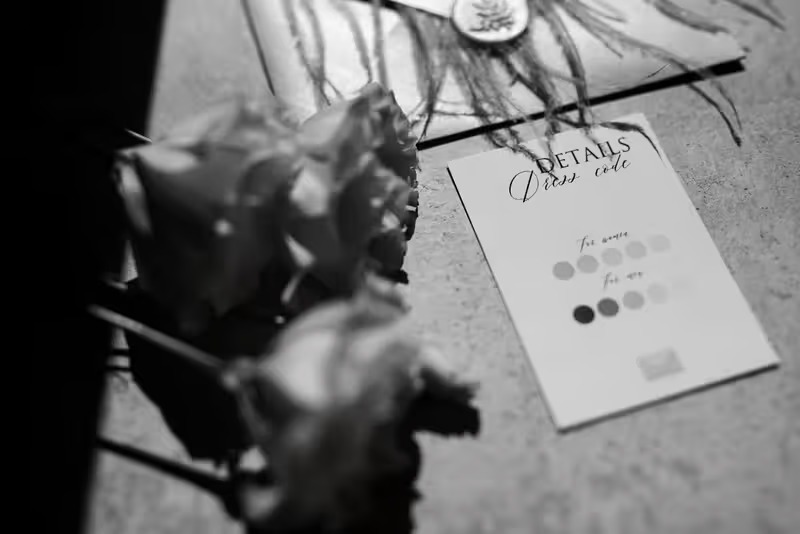
An avant garde wedding is not defined by tradition. It is defined by experimentation, structure, and artistic intent. Unlike conventional bridal styling, where color palettes follow predictable romantic tones, an avant garde wedding uses color as a design language. It creates mood, depth, and visual disruption. The result is a wedding aesthetic that feels editorial, expressive, and highly curated. Choosing the right palette is not just about beauty. It is about storytelling through contrast, texture, and atmosphere.
Defining the Aesthetic of an Avant-Garde Wedding Color Story
An avant garde wedding challenges traditional expectations of bridal design. Instead of soft, predictable palettes, it embraces bold contrasts, unconventional pairings, and conceptual styling. Color becomes a central design tool rather than a background detail.
In this style, every shade carries meaning. Black may represent structure and drama. White may represent purity but also minimal architectural space. Metallics may introduce futurism and abstraction.
The key difference lies in intention. Traditional weddings aim for harmony. An avant garde wedding often aims for controlled tension. This tension is created through unexpected color combinations and visual storytelling.
Color palettes in this style are not chosen casually. They are curated like an art installation. Each tone interacts with lighting, fabric, venue design, and photography style to create a unified visual impact.
Bold Monochrome Palettes for Sculptural Wedding Design
Monochrome palettes are a foundation of avant garde wedding aesthetics. They rely on a single color family but explore depth through texture, layering, and contrast.
Black and Ivory Contrast for High-Fashion Minimalism
Black and ivory combinations create one of the most striking avant garde wedding visuals. The contrast is sharp, editorial, and highly sculptural.
Black introduces structure and boldness, while ivory softens the composition. Together, they create a fashion-forward aesthetic often seen in runway-inspired bridal shoots.
This palette works especially well in modern architectural venues. Concrete, glass, and metal surfaces enhance the contrast and make the styling feel intentional and cinematic.
All-White Layers with Texture Variations
An all-white palette may seem traditional at first glance, but in an avant garde wedding context, it becomes highly experimental. The focus shifts from color to texture and silhouette.
Different fabrics such as silk, organza, lace, and tulle create visual variation without introducing new colors. Shadows and folds become design elements.
This approach works best when paired with sculptural décor and dramatic lighting. The result is a clean yet artistic atmosphere that feels modern and conceptual.
Unexpected Jewel Tones for Dramatic Bridal Atmosphere
Jewel tones introduce depth, richness, and emotional intensity to an avant garde wedding. These colors are bold but controlled, making them ideal for dramatic styling.
Emerald, Sapphire, and Ruby Combinations
Emerald green, sapphire blue, and ruby red create a luxurious and visually powerful palette. These tones work well in combination when balanced carefully.
Rather than blending evenly, avant garde styling often assigns each color a role. One may dominate attire, another décor, and another lighting accents. This creates a layered visual experience rather than a uniform palette.
These colors are particularly effective in evening weddings where lighting enhances saturation and depth.
Deep Purple and Burgundy Fusion Themes
Purple and burgundy bring a sense of mystery and emotional richness to wedding design. These shades sit between romance and intensity, making them ideal for avant garde storytelling.
When paired with dark florals, textured fabrics, and dim lighting, they create a cinematic atmosphere. This palette works especially well for indoor or winter weddings where mood and depth are prioritized over brightness.
Soft Futuristic Neutrals for Modern Avant-Garde Weddings
Not all avant garde wedding palettes rely on bold color. Some of the most innovative designs use muted neutrals to create futuristic elegance.
Greige, taupe, sand, and soft stone tones create a foundation that feels calm but highly intentional. These colors are often paired with metallic accents or sculptural décor to avoid visual flatness.
The strength of neutral avant garde palettes lies in restraint. Instead of overwhelming the eye, they guide attention toward form, structure, and composition.
When paired with architectural venues and minimal floral design, neutral palettes can feel more experimental than bright color schemes. The absence of color becomes the statement itself.
High-Contrast Neon Accents in Avant-Garde Wedding Styling
Neon tones introduce energy and disruption into wedding design. In an avant garde wedding, they are used sparingly but strategically to create visual impact.
Electric Pink, Acid Green, and Cobalt Highlights
Electric pink, acid green, and cobalt blue are not traditional bridal colors, but they can be powerful accent tones. They are often used in lighting, signage, or small décor elements rather than full-scale applications.
These colors work best when they appear unexpectedly. A neutral or monochrome base allows neon accents to stand out without overwhelming the composition.
This approach creates a modern, editorial feel often seen in fashion photography and contemporary art installations.
Balancing Neon With Minimal Base Colors
The key to using neon in an avant garde wedding is balance. Too much neon can feel chaotic. Too little can lose impact.
A minimal base palette such as black, white, or grey allows neon accents to function as highlights rather than distractions. This creates a controlled visual rhythm that feels intentional and artistic.
Lighting design plays a major role here. Neon tones often work better through lighting effects than through physical décor alone.
Metallic and Iridescent Color Schemes for Sculptural Impact
Metallic tones introduce reflection, movement, and dimension into wedding design. They are essential in many avant garde wedding concepts because they interact dynamically with light.
Gold, silver, and chrome can be used not just as accents but as structural design elements. Chairs, tableware, and installations often incorporate metallic finishes to create visual depth.
Iridescent and holographic surfaces add another layer of experimentation. These materials shift color depending on angle and lighting, creating a constantly evolving visual experience.
This approach is especially effective in photography. Reflective surfaces enhance composition and add complexity to each frame.
Seasonal Influence on Avant-Garde Wedding Color Palettes
Seasonality still plays a role in avant garde wedding design, but it is interpreted in a more abstract way than traditional weddings.
Winter palettes often lean toward darker tones such as black, deep green, and metallic silver. These colors enhance mood and contrast with indoor lighting.
Spring allows for softer experimentation. Muted pastels, pale greens, and soft neutrals can be combined in unexpected ways to create surreal elegance.
Summer palettes tend to embrace brightness and contrast. Bold colors, neon accents, and reflective surfaces work well in natural light.
Autumn introduces earthy tones such as rust, amber, and deep brown, often paired with metallic accents for a layered visual effect.
Common Mistakes When Choosing Avant-Garde Wedding Colors
One of the most common mistakes in avant garde wedding planning is overcomplication. Using too many competing colors can dilute the visual impact and create confusion instead of cohesion.
Another issue is ignoring venue lighting. Color behaves differently under natural light, artificial lighting, and mixed environments. Without considering this, even strong palettes can lose their intended effect.
Lack of coordination between attire, décor, and photography is also a frequent problem. In avant garde design, every visual element must work as part of a unified composition.
Finally, following trends too closely can undermine originality. Avant garde weddings are meant to feel personal and experimental, not repetitive or formulaic.
Conclusion
An avant garde wedding is built on intentional design, and color is one of its most powerful tools. Whether through monochrome minimalism, jewel-toned drama, neon accents, or metallic reflections, each palette creates a distinct emotional and visual experience.
The most successful avant garde wedding designs are not defined by complexity alone but by balance. Strong contrast, controlled experimentation, and thoughtful composition are what make these palettes effective.
Ultimately, the goal is not to follow rules but to create a cohesive artistic statement. When used thoughtfully, color transforms a wedding into a curated visual experience that feels both modern and unforgettable.