
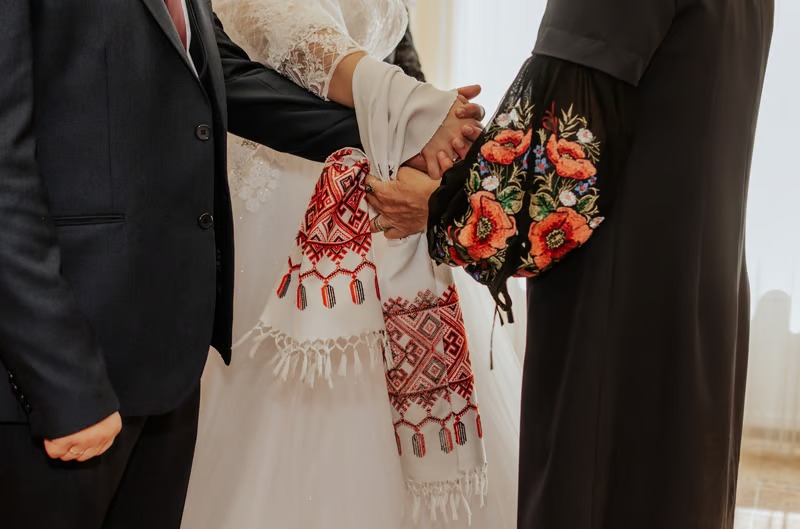
In a world where wedding traditions evolve and adapt, handfasting ceremonies stand out as a beautiful and meaningful way to celebrate the union of two people. This ancient practice, steeped in history and cultural significance, has seen a resurgence in recent years as couples seek to personalize their wedding experiences. But what is a handfasting ceremony, and where did this unique tradition originate? In this article, we’ll delve into the origins, meanings, and modern interpretations of handfasting, exploring why it resonates with so many couples today.
The Essence of Handfasting
At its core, a handfasting ceremony symbolizes the binding of two people in love. Historically, handfasting involved the literal tying of the hands of the couple to signify their commitment to one another. This act of binding hands serves as a powerful metaphor for the joining of lives, hearts, and souls.
A Symbol of Commitment
The phrase “tying the knot” is derived from this ancient custom, reflecting the significance of the act. During a handfasting ceremony, the couple may use a cord or ribbon to bind their hands together, often while reciting vows or promises. This physical representation of their union is both poetic and deeply symbolic, emphasizing the strength of their commitment.
Real-Life Example
Emily and Jake, a couple from Oregon, chose to incorporate a handfasting ceremony into their wedding. “We wanted to make our vows feel more tangible,” Emily shared. “The act of tying our hands together made the moment feel incredibly powerful. It was a beautiful way to express our commitment to each other.”
The Historical Roots of Handfasting
To understand what a handfasting ceremony is, it’s essential to look at its historical context. This practice dates back to ancient times, with roots in various cultures around the world. Although it is often associated with Celtic traditions, similar customs can be found in many societies.
Celtic Origins
In Celtic culture, handfasting was a common practice among couples wanting to formalize their union. It was often celebrated in front of family and friends, marking the beginning of a partnership that could last for a year and a day. If the couple wished to continue their union beyond that time, they could choose to renew their vows or dissolve the bond.
Expert Insight: Dr. Fiona McLeod, a cultural historian, explains, “Handfasting was a way for couples to demonstrate their commitment without the need for formal documentation. It was a deeply personal and spiritual ceremony, often taking place in nature.”
Medieval Practices
During the medieval period, handfasting became more formalized, with ceremonies often held in churchyards or public spaces. This transition reflected society’s evolving views on marriage and commitment. The act of handfasting served not only as a personal commitment between two individuals but also as a public declaration of their love and intentions.
The Influence of Christianity
With the spread of Christianity, handfasting rituals began to intertwine with religious ceremonies. As marriage became more closely associated with church doctrine, handfasting evolved into a precursor to the more formalized Christian wedding ceremony. Many aspects of handfasting, such as the use of vows and symbolic gestures, were incorporated into modern wedding traditions.
Modern Interpretations of Handfasting
Today, handfasting ceremonies are experiencing a renaissance as couples seek to create personalized and meaningful wedding experiences. Many modern couples embrace this tradition, adapting it to reflect their unique beliefs, values, and love stories.
Personalization and Creativity
One of the most appealing aspects of handfasting is the ability for couples to personalize the ceremony. From the colors of the cords used for binding to the words spoken during the ritual, each handfasting ceremony can be uniquely designed to reflect the couple’s journey together.
Real-Life Example: Sarah and Tom, who tied the knot in a beautiful outdoor setting, chose to use a handwoven cord that represented their family heritage. “We wanted our ceremony to honor our roots while also being uniquely ours,” Sarah explained. “The handfasting ceremony allowed us to do just that.”
Incorporating Symbolism
In addition to binding hands, couples may choose to incorporate other symbolic elements into the ceremony. Some opt for the inclusion of meaningful objects, such as stones or flowers, that represent their relationship or shared values. Others may choose to involve family members, inviting them to participate in the ceremony as a way of emphasizing the importance of community and support in their union.
The Ritual of Handfasting
So, what happens during a handfasting ceremony? While each ceremony is unique, there are several common elements that many couples choose to include.
Setting the Scene
A handfasting ceremony can take place in a variety of settings, from intimate backyard gatherings to grand outdoor festivals. The choice of location often reflects the couple’s personal tastes and the significance of the place to their relationship.
The Binding of Hands
The core element of the handfasting ceremony is the binding of hands. Couples typically choose a cord, ribbon, or cloth to tie around their hands, symbolizing their commitment to one another. As they bind their hands together, they often recite vows or personalized statements about their love and intentions for the future.
Blessings and Readings
Many couples choose to include readings, blessings, or poems that resonate with their relationship. This adds a layer of depth and personal meaning to the ceremony. Friends or family members may be invited to share their thoughts or wishes for the couple, further enriching the experience.
Expert Insight: Wedding planner Lisa Hart emphasizes the importance of personalization in handfasting ceremonies: “Incorporating readings or blessings that reflect the couple’s journey creates a more meaningful experience for everyone involved. It allows guests to connect with the couple’s love story.”
Handfasting in Different Cultures
While handfasting is often associated with Celtic traditions, similar customs can be found in various cultures around the world. Each culture brings its unique flavor to the practice, highlighting the universality of love and commitment.
Native American Traditions
In some Native American cultures, handfasting rituals are performed as a way to bind couples together. These ceremonies often involve the use of natural elements, such as the earth, water, and fire, symbolizing the couple’s connection to nature and the universe.
Hindu Weddings
In Hindu weddings, a similar concept known as “Saptapadi” involves the couple taking seven steps together, each representing a vow. This act of walking together symbolizes their commitment to support one another in their journey through life.
African Traditions
In various African cultures, handfasting rituals may involve the tying of a cloth or cord around the couple’s wrists or arms. This act signifies their commitment to each other and their families, emphasizing the importance of community in marriage.
Why Choose a Handfasting Ceremony?
As couples consider the various options for their wedding ceremonies, handfasting has become an increasingly popular choice for several reasons.
Emphasis on Personalization
One of the primary appeals of a handfasting ceremony is the opportunity for personalization. Couples can design a ceremony that truly reflects their values, beliefs, and unique love story. This level of customization allows for a more intimate and meaningful experience.
Connection to Nature
Many couples are drawn to outdoor settings for their handfasting ceremonies, further enhancing the connection to nature. The natural beauty of outdoor venues creates a serene and peaceful atmosphere, allowing for a more profound connection between the couple and their surroundings.
Spiritual Significance
For couples seeking a spiritual element in their wedding, handfasting offers a way to incorporate meaningful rituals and symbolism. The act of binding hands can serve as a powerful reminder of the couple’s commitment to one another and their shared journey.
Conclusion
In conclusion, handfasting ceremonies are a beautiful and meaningful way to celebrate love and commitment. By understanding what a handfasting ceremony is and exploring its rich history, couples can embrace this tradition to create personalized and unforgettable wedding experiences. Whether through binding hands, incorporating symbolic elements, or celebrating in nature, handfasting offers a unique opportunity to express love in its most profound form.
As couples continue to seek ways to make their weddings more personal and meaningful, handfasting stands as a testament to the enduring power of love and connection. By honoring the past while creating new traditions, couples can forge a path that truly reflects their journey together.
Frequently Asked Questions (FAQs)
What is a handfasting ceremony?
A handfasting ceremony is an ancient ritual that symbolizes the binding of two individuals in love, often involving the tying of hands and the recitation of vows.
Where did the tradition of handfasting originate?
Handfasting originated in various cultures, with strong ties to Celtic traditions. It has evolved over time and is now embraced by couples seeking personalized wedding experiences.
How can I incorporate handfasting into my wedding?
You can incorporate handfasting by choosing meaningful cords or ribbons, personalizing vows, and selecting a beautiful outdoor setting for your ceremony.