
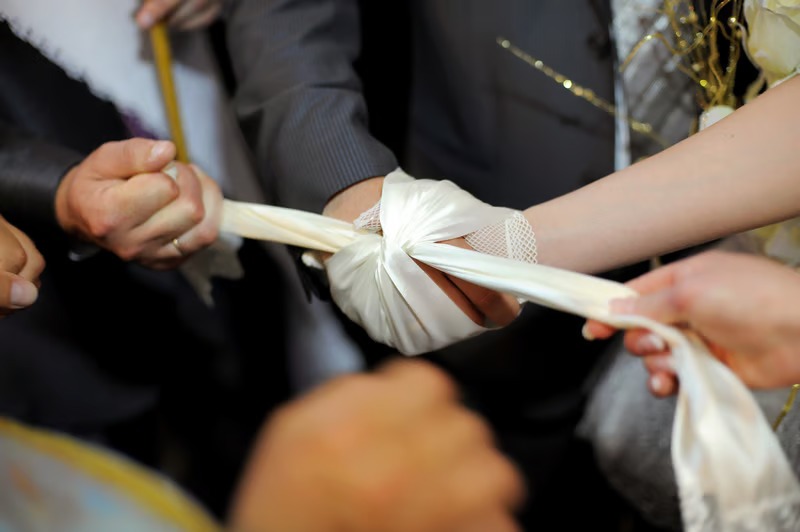
A wedding ceremony is more than a legal union. For many couples, it is a deeply personal ritual that reflects love, intention, and shared values. Among the many symbolic wedding traditions that have stood the test of time, handfasting stands out for its emotional depth and ancient roots. Today, more couples are choosing planning a handfasting ceremony as a way to create a meaningful and symbolic moment that goes beyond conventional wedding structures.
Handfasting is often associated with Celtic traditions, where couples’ hands are literally bound together using cords or ribbons to symbolize unity. This act represents commitment, trust, and the joining of two lives. While the tradition is ancient, its modern revival has made it one of the most expressive and customizable ceremony elements in contemporary weddings.
Unlike rigid ceremony formats, handfasting allows couples to personalize their vows, symbols, and rituals. It blends spirituality, culture, and emotion in a way that feels intimate and memorable. Whether included as the central ceremony or as part of a larger wedding celebration, handfasting adds a powerful emotional layer that resonates deeply with couples and guests alike.
Understanding the Meaning of Handfasting
Handfasting is one of the oldest known wedding rituals, dating back centuries in European traditions. Historically, it was a form of betrothal or marriage agreement where couples joined hands while vows were spoken and cords were tied around their wrists.
At its core, handfasting symbolizes unity and commitment. The act of binding hands represents two lives becoming intertwined. It is a physical expression of emotional and spiritual connection.
In modern ceremonies, handfasting has evolved beyond its historical context. Couples from different backgrounds now use it as a symbolic ritual rather than a legal requirement. It can be included in religious, spiritual, or secular weddings depending on personal preference.
The beauty of handfasting lies in its flexibility. It does not follow a strict format, which allows couples to shape the ritual in a way that reflects their relationship.
The Role of Symbolism in Handfasting Ceremonies
Symbolism is at the heart of planning a handfasting ceremony. Every element, from the cords to the vows, carries meaning.
The cords used in handfasting often represent different aspects of a relationship. Some couples choose colors that symbolize love, loyalty, strength, or harmony. Others use family heirlooms or handmade ribbons to add personal significance.
The act of tying the cords is often done in a specific sequence, with each knot representing a promise or shared value. This creates a layered meaning that makes the ceremony more emotionally powerful.
Handfasting is not just about physical binding. It is about emotional alignment. It reflects the intention to grow together, support each other, and remain connected through life’s challenges.
For many couples, this symbolism makes handfasting one of the most meaningful parts of their wedding day.
Choosing the Right Style for Your Ceremony
One of the most important steps in planning a handfasting ceremony is deciding on the style that best fits your vision. Handfasting can be adapted to different wedding themes, from traditional to modern, spiritual to minimalist.
Some couples prefer a formal setting with structured vows and officiants, while others choose a relaxed outdoor ceremony surrounded by nature. The setting often enhances the emotional tone of the ritual.
The style of handfasting can also be influenced by cultural or spiritual beliefs. Some incorporate religious readings, while others focus on personal affirmations and symbolic gestures.
There is no single correct way to perform handfasting. The most meaningful ceremonies are those that reflect the couple’s identity and values.
Selecting Cords, Colors, and Materials
The cords used in handfasting are more than decorative elements. They are symbolic tools that carry emotional meaning.
Choosing the right materials is an important part of the planning process. Many couples select natural fibers such as cotton, silk, or wool for their cords. Others prefer braided ribbons or customized fabric pieces.
Colors play a significant role in symbolism. Red often represents passion, blue symbolizes loyalty, green reflects growth, and white signifies purity or unity. Couples may choose multiple cords to represent different aspects of their relationship.
Some even involve family members or friends in creating the cords, adding layers of shared meaning. This transforms the ritual into a collective expression of love and support.
The cords become a keepsake after the ceremony, serving as a lasting reminder of the vows exchanged.
Writing Meaningful Handfasting Vows
Vows are the emotional core of any wedding ceremony, and handfasting is no exception. When planning a handfasting ceremony, vows should reflect sincerity, intention, and personal connection.
Unlike traditional vows, handfasting vows are often more flexible in structure. They can be poetic, spiritual, or conversational depending on the couple’s preference.
Many couples choose to write their own vows to make the ceremony more personal. This allows them to express emotions and promises in their own words.
The act of speaking vows while hands are bound adds emotional intensity to the moment. It creates a sense of presence and commitment that is deeply felt by both partners.
Well-crafted vows do not need to be complex. They simply need to be honest and meaningful.
Role of the Officiant and Ceremony Structure
The officiant plays an important role in guiding the flow of a handfasting ceremony. They introduce the ritual, explain its meaning, and oversee the binding process.
In modern weddings, officiants can be religious leaders, celebrants, or even close friends authorized to perform ceremonies. This flexibility allows couples to choose someone who feels personally meaningful.
The structure of a handfasting ceremony is usually simple. It begins with an introduction, followed by vows, the handfasting ritual itself, and a closing declaration.
Some couples include additional elements such as readings, music, or symbolic gestures before or after the binding.
The simplicity of the structure allows the emotional focus to remain on the ritual itself rather than formal procedures.
Incorporating Personal and Cultural Elements
One of the strengths of handfasting is its adaptability. Couples often incorporate personal or cultural elements to make the ceremony unique.
Some include family blessings, cultural prayers, or meaningful readings from literature. Others add music that reflects their relationship journey.
Cultural adaptations can also play a role. Handfasting can be combined with traditional wedding rituals from different backgrounds, creating a hybrid ceremony that honors multiple traditions.
Personal storytelling is another powerful addition. Couples may share how they met, key milestones, or shared dreams during the ceremony.
These elements help transform handfasting into a deeply personalized experience.
Emotional Impact of a Handfasting Ceremony
Handfasting ceremonies are known for their emotional intensity. The physical act of binding hands creates a powerful visual and emotional symbol of unity.
For couples, it often becomes one of the most memorable moments of their wedding day. The ritual encourages presence, reflection, and emotional connection.
Guests also experience the ceremony differently compared to traditional weddings. The symbolism is often more visible and easier to understand, making it emotionally engaging.
The simplicity of the ritual allows emotions to take center stage. There are fewer distractions, which creates a more intimate atmosphere.
This emotional depth is one of the main reasons handfasting continues to grow in popularity.
Expert Advice for Planning a Handfasting Ceremony
Experts recommend starting with clarity about intention. Couples should understand why they are choosing handfasting and what it means to them personally.
It is also important to rehearse the ceremony beforehand. Even though handfasting is symbolic, practice helps ensure smooth coordination during the actual event.
Another important tip is to focus on meaning rather than perfection. Handfasting is a symbolic ritual, and small imperfections do not reduce its emotional value.
Experts also suggest involving loved ones in the process. This can include helping to create cords, participating in readings, or offering blessings.
Finally, couples should ensure the ceremony reflects their relationship authentically rather than following trends.
Common Mistakes to Avoid
One common mistake is overcomplicating the ritual. Handfasting is most powerful when it remains simple and focused.
Another mistake is ignoring the emotional tone of the ceremony. Without meaningful vows or intention, the ritual can feel superficial.
Some couples also forget to consider logistics such as cord length, positioning, or timing within the ceremony.
Avoiding these issues helps ensure a smooth and meaningful experience.
The Modern Revival of Handfasting
In recent years, handfasting has experienced a revival in modern weddings. Couples are increasingly drawn to symbolic rituals that feel personal and meaningful.
Social media and wedding inspiration platforms have also contributed to its popularity. Visual storytelling has made handfasting more recognizable and appealing.
Modern interpretations often blend tradition with creativity, making each ceremony unique.
This revival reflects a broader trend toward personalized and emotionally meaningful weddings.
Conclusion
Planning a handfasting ceremony is about more than following tradition. It is about creating a moment that reflects love, commitment, and shared values in a deeply symbolic way.
From choosing cords and writing vows to designing the ceremony structure, every detail contributes to its emotional impact. What makes handfasting truly special is its flexibility and personal meaning.
Unlike rigid wedding formats, handfasting allows couples to express their relationship in a way that feels authentic and heartfelt.
At its core, it is a reminder that love is not just spoken but also symbolically lived through intention, presence, and unity.
FAQs
What is a handfasting ceremony?
A handfasting ceremony is a symbolic wedding ritual where a couple’s hands are bound together using cords or ribbons to represent unity and commitment.
Is handfasting legally binding?
In most modern settings, handfasting is symbolic and not legally binding unless performed alongside a legal marriage ceremony.
What do the cords in handfasting represent?
The cords symbolize different aspects of a relationship such as love, loyalty, strength, and unity. Colors and materials often add additional meaning.
Can handfasting be included in a traditional wedding?
Yes, handfasting can easily be incorporated into traditional, religious, or modern weddings as a symbolic ritual.
How long does a handfasting ceremony take?
The ritual itself is usually short, often lasting a few minutes, but it is typically part of a larger wedding ceremony.